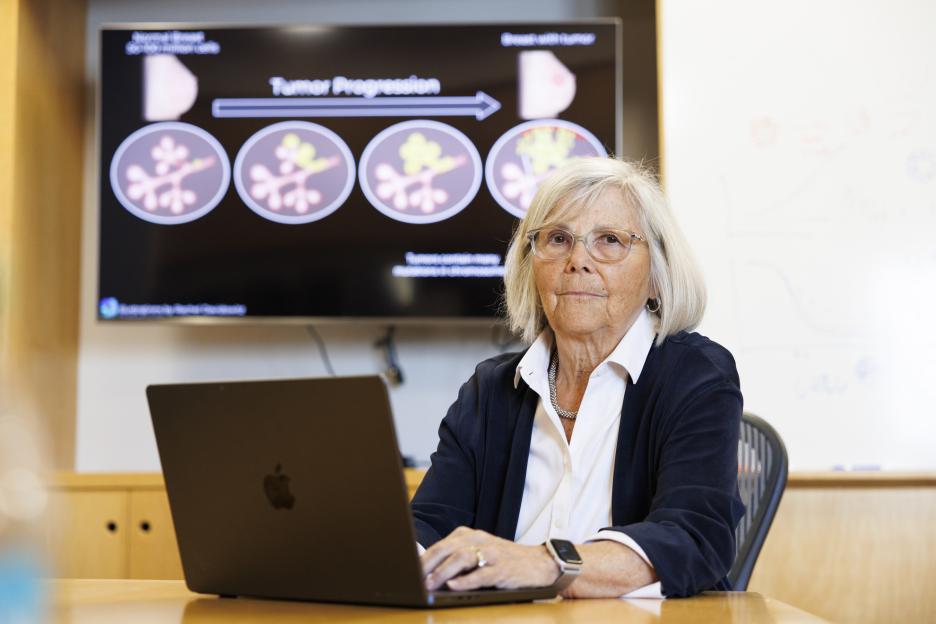
How did her sister — once vibrant and healthy — become so sick so fast?
Joan Brugge. Niles Singer/Harvard Staff Photographer How did her sister — once vibrant and healthy — become so sick so fast? Joan Brugge’s decadeslong profe...
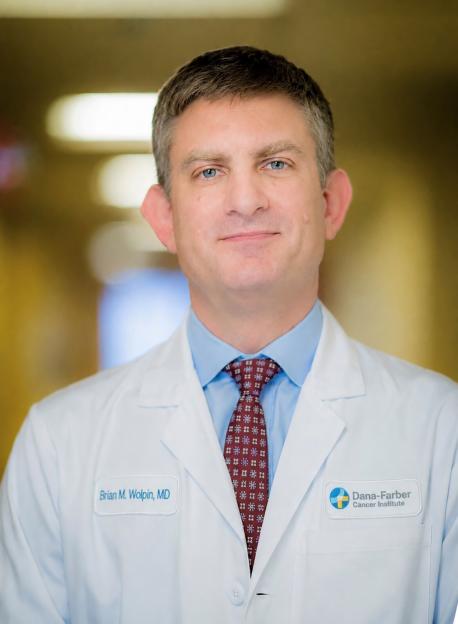
Has pancreatic cancer met its match? Frontline researcher sees newly approved medication as ‘critical first step’ toward transformation of care Alvin Pow...
Pioneering cancer fighter sees promise beyond melanoma breakthrough File photo by Stephanie Mitchell/Harvard Staff Photographer Alvin Powell Harvard Sta...
Screening newborns for cancer risk Blood samples routinely collected at birth could be used for genetic testing, potentially helping 1,000 children a year, st...
FDA has approved the first new sunscreen ingredient in 20 years HMS dermatology professor Hillary Tsibris explains why you should care Alvin Powell Har...
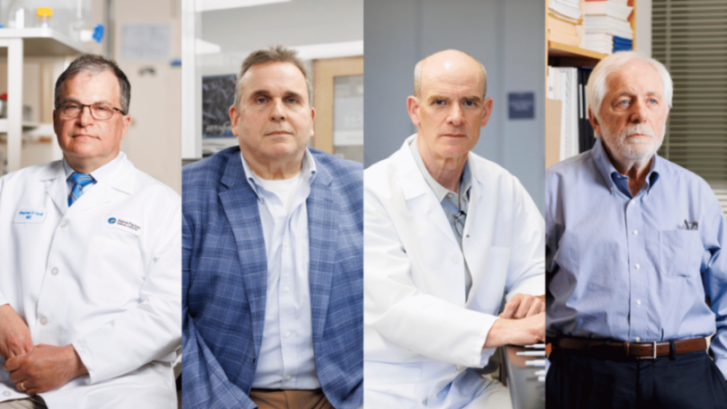
F. Stephen Hodi, Ed Doherty, David Mooney, and Jerome Ritz.Veasey Conway/Harvard Staff Photographer; Niles Singer/Harvard Staff Photographer Tracing evolutio...
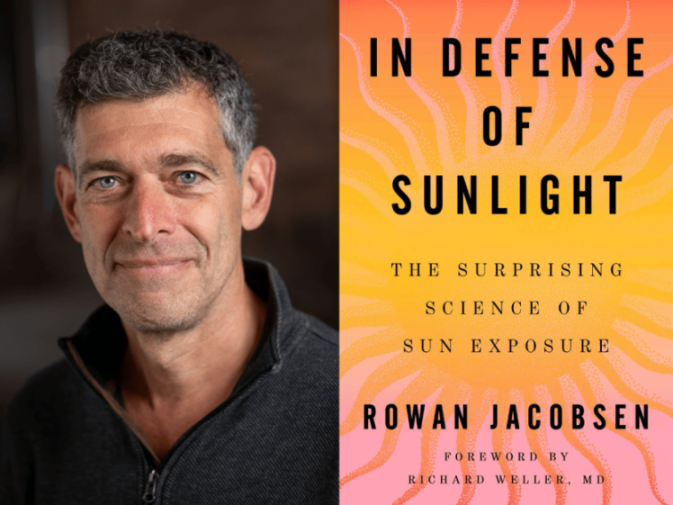
Rowan Jacobsen.Photo by Chris Hartlove Sunlight is not your enemy Health benefits outweigh the risks for most of us, according to new book Samantha Lai...
Greg Verdine. Finding ways to ‘drug the undruggable’ diseases Greg Verdine, a force behind pancreatic cancer progress, learned from a devastating family acc...
A clearer picture of drinking and disease New study attempts to reconcile conflicting findings on benefits vs. risks Samantha Laine Perfas Harvard Staf...
20 societal problems, 20 solutions Jessica McCann Harvard Correspondent June 3, 2026 long read Projects translating research into public good...
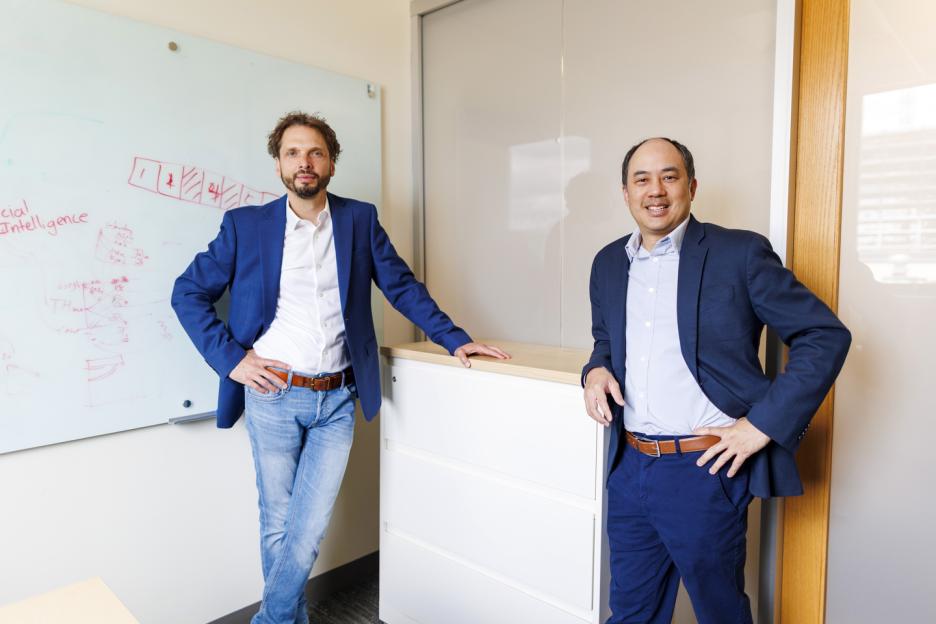
Researchers using artificial intelligence to plumb links between biological age and cancer outcomes have linked both looking younger than your chronological age and appearing to age slower during treatment to improved survival.
Blake Lusty grew up sure of two things: He wanted to serve his country in the Navy, and he would always fight for what he believed in. A late-stage cancer diagnosis at age 20 only steeled his resolve. Blake Lusty grew up sure of two things: He wanted to serve his country in the Navy, and he would always fight for what he believed in. A late-stage cancer diagnosis at age 20 only steeled his resolve.